 Hong's Recipe
There are a few things that trip people up over and over when making pasta. They might seem minor, but how you season the pasta water, how long you boil it, and how you prep your garlic all make a big difference in the final dish.
1. How do I season the pasta water?
Pasta water is what’s left in the pot after seasoning the water and cooking the noodles in it. Rather than measuring exactly, fill the pot with enough water that the pasta is fully submerged with room to spare, then season with about a heaping tablespoon of salt. Taste it — it should be about as salty as a bowl of yukgaejang broth.
If the pasta itself isn’t seasoned enough while boiling, you end up trying to make up for it later with the sauce, and the noodles and sauce can end up tasting like two separate things instead of one dish. Seasoning always has to start in the boiling water. Some people add olive oil to keep the noodles from sticking, but just stirring well with chopsticks or tongs is usually enough.
2. How do I make the most of pasta water?
Once the noodles are done, set aside about half a cup of pasta water before draining. When you toss the pasta and sauce together in the pan, add this pasta water and let the liquid reduce while the noodles rub against the pan — that friction helps the starch on the noodles bind evenly with the sauce. (This step is called “mantecare.”)
Pasta water is also handy if you pulled your noodles out a little too early. Add it at the finishing stage and cook for another minute over low heat to make up for any undercooking. Just remember pasta water is already salted, so adjust the amount you use — and pasta with a lot of sauce, like cream or tomato-based dishes, often comes together fine without needing any pasta water at all.
3. How many minutes should I boil pasta for?
Noodle thickness varies enough by brand that there’s no fixed rule like “spaghetti takes 7-8 minutes.” Most pasta packaging lists both an al dente time (with a bit of bite left) and a fully-cooked time — use those as your baseline.
If you’re not confident about timing, the safe approach is to drain the pasta 2 minutes before the package time, toss it with a little olive oil, and set it aside in a bowl. Drained pasta keeps cooking from residual heat, so doing this reduces the risk of overcooking it later when you toss it with the sauce in the pan. Unless your recipe just pours sauce over the noodles and calls it done, like a ragù, keep the time in the pan short so the pasta keeps some bite.
4. Should garlic be sliced or minced?
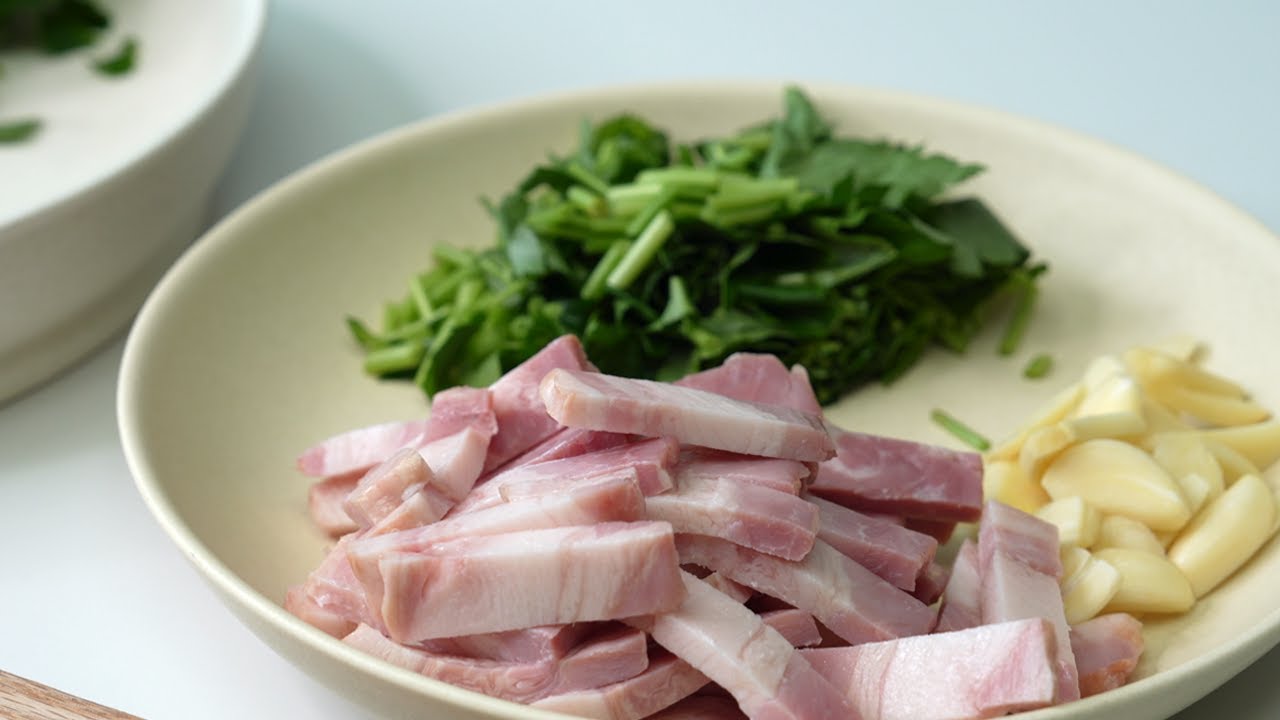
Sliced garlic cooks evenly, while minced garlic gives off a stronger aroma even in a small amount — but since the pieces aren’t uniform in size, it can burn easily. Pre-minced garlic from the store also tends to have a weaker aroma than garlic minced fresh, since it holds more moisture.
There’s no single right answer between slicing and mincing, but cooking either one gently over low heat keeps even minced garlic from burning while still letting the aroma fully develop, and it blends into the sauce more easily too.
Wrap-up
Keep these four things in mind and your odds of a pasta dish going wrong drop a lot. Seasoning the pasta water and getting the boil time right in particular come up in nearly every recipe, so the more you cook, the more of a feel you’ll develop for both.