 Hong's Recipe
Herbs show up in nearly every Western dish, not just pasta, but each one has a distinct aroma and use. Knowing which herb to add and when can make a huge difference in how a dish turns out, even with the same ingredients. Most herbs bloom in aroma when added at the very end of cooking and double as an attractive garnish, and since dried herbs are more concentrated, you need less of them than fresh.
1. Basil
Italy’s signature herb, used throughout tomato dishes. Even a small amount leaves a strong aroma, but it doesn’t keep long. Chop it and toss it into cold pasta with lemon and olive oil, or add dried basil while simmering a tomato sauce. In spring and summer, turn it into pesto for pasta sauce, salad dressing, or a sandwich spread.
2. Thyme
Like rosemary, it adds backbone to a dish — even a small chopped amount gives a deep, cooling aroma. It’s also used whole, like a bay leaf, steeped into a long-simmered tomato-based sauce for flavor.
3. Shiso (perilla)
Great blended into a pesto for umami-rich cold pasta with thin noodles like angel hair. Finely sliced, it also pairs well with fish-based dishes like mackerel pasta.
4. Arugula
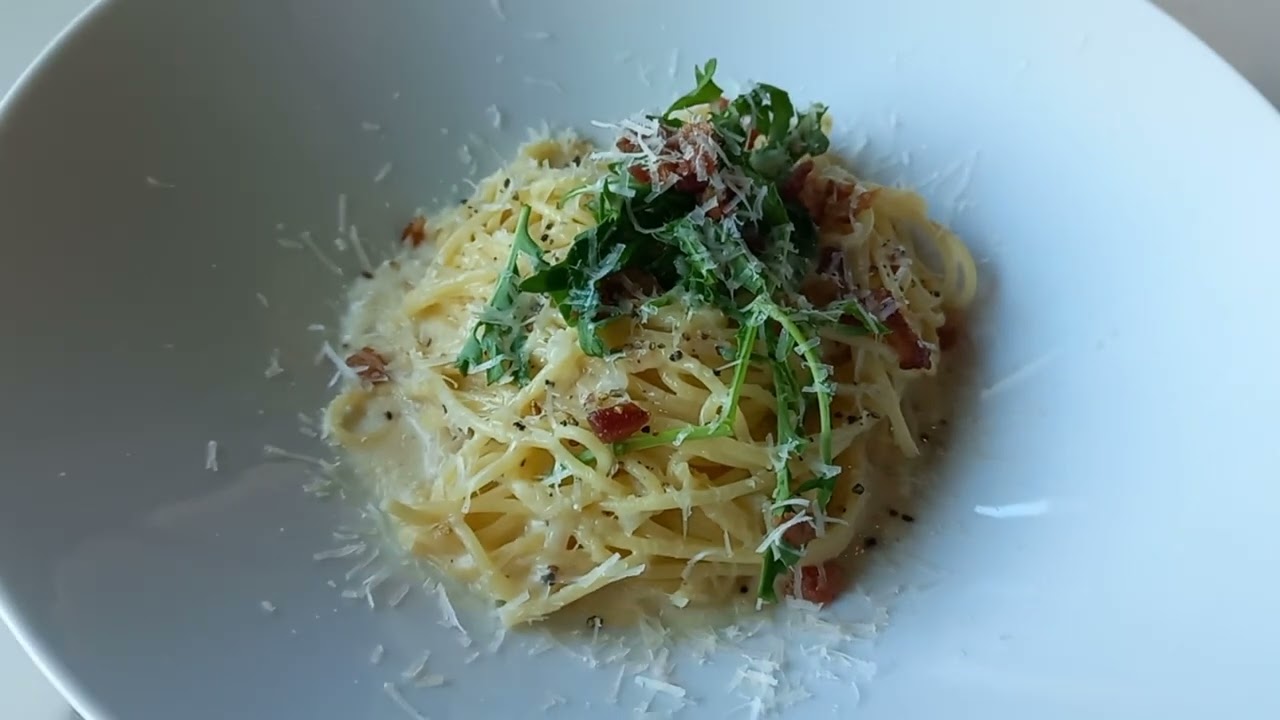
Familiar as a pizza topping, but it has plenty of uses in pasta too. Toss it raw into a salad, or pair it with seafood or anchovy pasta. Larger leaves taste more peppery, so pick a moderate size — it also works well with tomato and mozzarella in cold pasta or blended into pesto.
5. Rosemary
Sweet and strongly aromatic, it’s known for cutting gamey smells from meat but has plenty of other uses too. Simmer it gently in olive oil and garlic for bread dipping, or add it wherever a dish needs more depth.
6. Apple mint
Easy to find even at flower shops — pick the leaves, chop them finely, and stir into a salad dressing. Chocolate mint, spearmint, or peppermint can substitute, but they’re generally stronger than apple mint, so adjust the amount.
7. Italian parsley
The most commonly used herb across Western cooking. Chop the leaves and sprinkle them over finished pasta, and use the more aromatic stems, finely chopped, when sautéing other ingredients. It’s also great in salad dressings or simmered into stock.
8. Sage
Strong and slightly sharp, a staple in Western cooking. It pairs well with fish- or meat-based pasta — for an oil-based pasta, it’s best added after turning off the heat and finished with residual warmth to bring out its aroma.
9. Dill
As aromatic as it is subtly sweet. Excellent at cutting fishy smells and pairs well with white wine, making it a natural fit for seafood pasta. Add it at the end of a salad dressing or a clear broth for a fragrant finish.
Wrap-up
Herbs tend to bloom more in aroma when added toward the end of cooking rather than at the start. Start with approachable herbs like parsley and basil, then branch out into stronger ones like rosemary and sage.