 Hong's Recipe
In pasta, cheese isn’t just a topping — it’s a core ingredient that seasons the dish and pulls the whole flavor together. Cheeses broadly split into soft and hard depending on their moisture content, and which one you use can change the finished dish quite a bit.
1. Feta
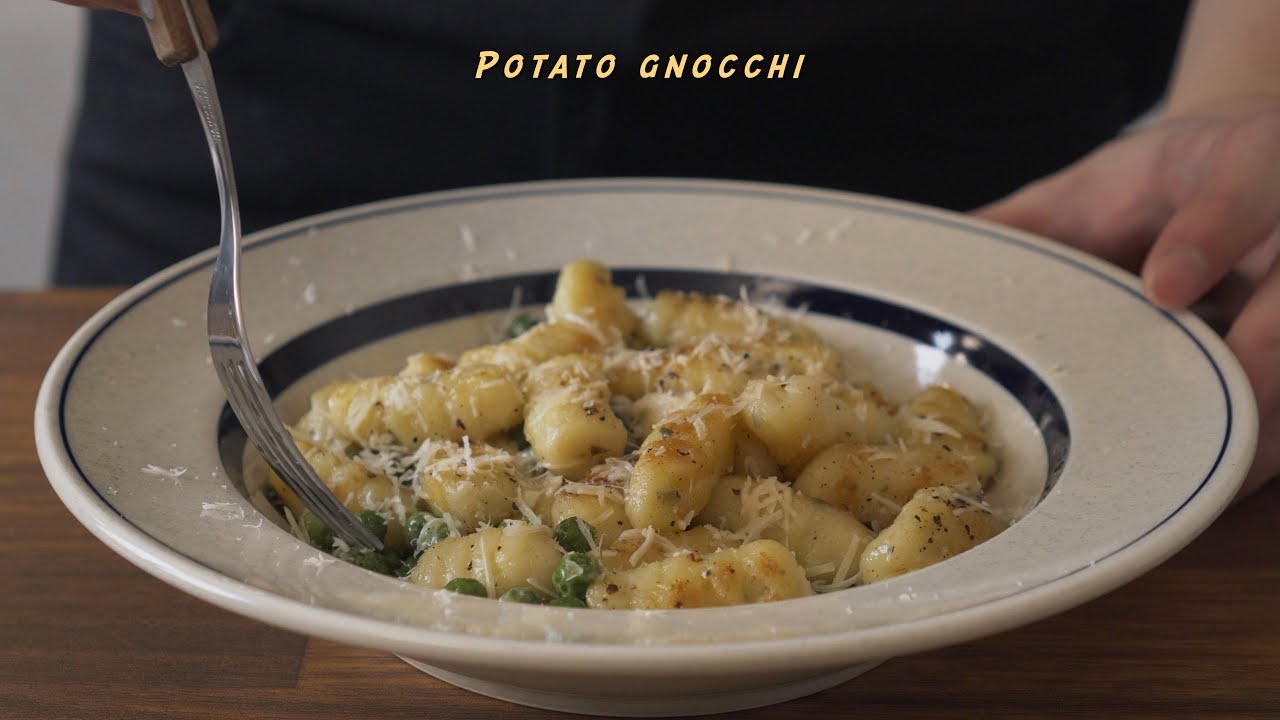
A soft, unaged cheese like mozzarella. Its saltiness means it can stand in for salt, and it pairs easily with cold pasta or pasta salads. Mix it into ravioli filling or gnocchi dough, or simply crumble it over a finished plate of pasta.
2. Gorgonzola
A blue cheese — even a small amount brings a strong, distinctive aroma. Stir a little into a cream-based pasta sauce at the end and the flavor jumps immediately.
3. Mozzarella
A classic soft cheese with moisture content as high as 80%, which also means a short shelf life. It works anywhere a fresh cheese fits — caprese salad, a topping for cold pasta, or a warm herb-and-tomato pasta.
4. Hard cheeses (Parmigiano-Reggiano / Grana Padano / Pecorino)
Hard cheeses with 30-40% moisture and aging periods ranging from 2 to 36 months. They’re often used in place of salt to season pasta, finely grated into cream, tomato, or oil-based sauces, and are essential for making pesto. They also make a great garnish on a finished plate.
Wrap-up
Soft cheeses bring freshness and a tender texture, while hard cheeses bring umami and help season the dish. Knowing the difference makes it much easier to decide which cheese belongs in which pasta.